

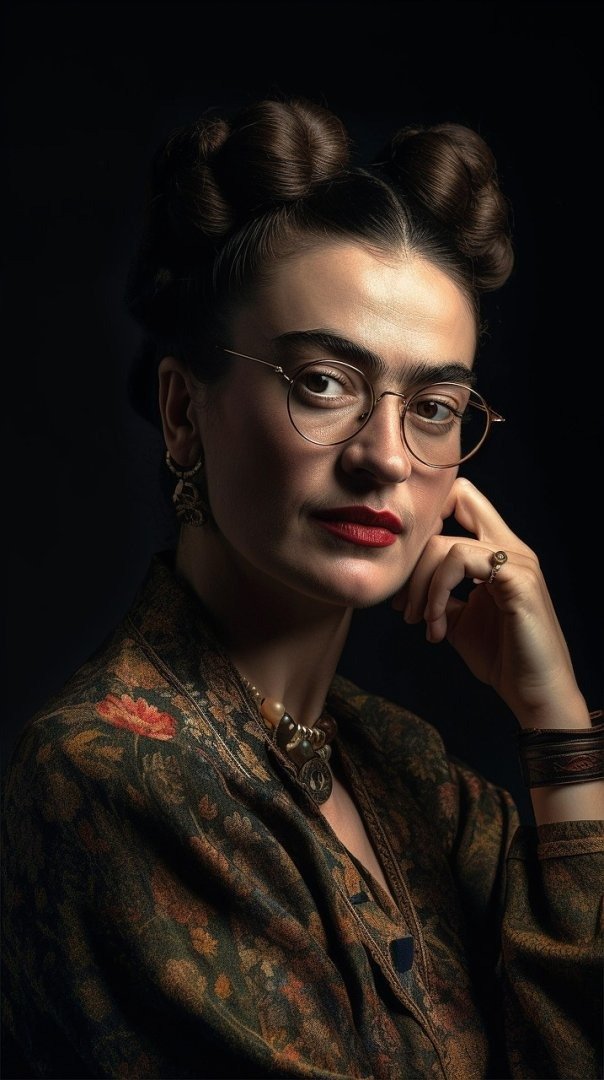
The Cinematic Storytelling Viral Engagement Social Media Prompt is a professional-grade framework engineered for creators, filmmakers, and digital marketers seeking to produce high-impact, narrative-driven content optimized for modern algorithmic discovery. By leveraging advanced structural logic, this tool enables the production of hyper-realistic, emotionally resonant AI videos and imagery that naturally capture viewer attention. Whether you are developing short-form content for Instagram Reels, TikTok, or YouTube Shorts, this resource provides the technical specificity required to maintain character consistency, cinematic lighting, and professional pacing across complex sequences. Ideal for brands and influencers aiming to elevate their visual identity, this prompt bridges the gap between raw generative AI output and high-end production quality. It is an essential asset for those utilizing industry-leading models from organizations like OpenAI, Google DeepMind, and Stability AI to create compelling, shareable experiences that stand out in crowded social media feeds.
About Prompt
Prompt Type: Cinematic AI Video Production
Niche: Social Media Content Creation & Storytelling
Category: AI Video Generation
Language: English
Prompt Title: Cinematic Storytelling Viral Engagement Social Media Prompt
Prompt Platforms: Runway Gen-3 Alpha, Kling AI, Luma Dream Machine, Sora, Pika
Target Audience: Content Creators, Social Media Managers, Digital Storytellers
Skill Level: Advanced
Visual Style: Cinematic, Photorealistic, High-Contrast, Narrative-Driven
Optional Notes: Focus on maintaining temporal consistency by defining specific camera movements and lighting transitions in every scene block to ensure a seamless narrative flow.
Prompt
Scene 1: The Inciting Incident. Duration: 5 seconds. Environment: A rain-slicked, neon-lit urban alleyway at midnight, reflecting vibrant cyan and magenta light off puddles. Character: A lone protagonist, mid-30s, wearing a weathered leather trench coat and tactical turtleneck, sharp jawline, intense focused expression. Camera: Low-angle, 35mm lens, handheld shaky cam movement to convey urgency. Movement: Character walks briskly toward the foreground, eyes scanning the shadows. Lighting: High-contrast noir lighting, harsh rim light highlighting textures. Atmosphere: Heavy fog, floating embers, cinematic depth of field. Sound: Heavy rhythmic footsteps on wet concrete, distant sirens, muffled bass-heavy synth drone. Transition: Rapid whip-pan to the right.
Scene 2: The Confrontation. Duration: 6 seconds. Environment: Interior of a high-tech, brutalist architecture lobby, monolithic concrete walls, cold blue ambient light. Character: Same protagonist, same wardrobe, now visibly breathless, sweat glistening on skin. Props: A glowing holographic device held in the right hand. Camera: Tracking shot, 50mm lens, circling the character. Movement: Character stops abruptly, turns to face the lens, expression shifts from tension to realization. Facial Expressions: Micro-expressions of shock, slight dilation of pupils. Body Language: Tense shoulders, defensive stance. Lighting: Cool-toned volumetric lighting, sharp shadows. Atmosphere: Dust motes dancing in light beams. Sound: High-frequency digital hum, sharp intake of breath. Transition: Hard cut to black.
Scene 3: The Resolution. Duration: 4 seconds. Environment: Rooftop overlooking a futuristic cityscape, golden hour sunset, warm amber and violet hues. Character: Same protagonist, standing at the edge, jacket blowing in the wind. Camera: Wide-angle, 24mm lens, slow drone pull-back. Movement: Character gazes out at the horizon, slight nod of acceptance. Facial Expressions: Serene, eyes reflecting the orange glow of the sun. Body Language: Relaxed posture, hands deep in pockets. Lighting: Golden hour natural light, soft diffusion. Atmosphere: Lens flare, heat haze. Sound: Wind whistling, cinematic swelling orchestral crescendo fading into silence. Editing Style: Smooth, rhythmic cuts synced to the music. End Frame: Protagonist silhouetted against the vast city skyline.
Prompt Variations
1. Cyberpunk Noir: Focuses on high-contrast neon lighting, rainy urban environments, and a gritty, futuristic detective aesthetic with a 24mm anamorphic lens style.
2. Minimalist Luxury: Emphasizes clean architectural lines, soft neutral color palettes, high-fashion wardrobe, and slow, fluid tracking shots for a high-end commercial feel.
3. Epic Fantasy Narrative: Shifts the environment to a crumbling ancient temple, utilizing warm, flickering torchlight, sweeping handheld camera movements, and dramatic, orchestral soundscapes.
4. Documentary Realism: Uses naturalistic lighting, 50mm handheld camera work, and authentic, unscripted character movements to create a raw, journalistic storytelling experience.
5. Sci-Fi Space Exploration: Features sterile, metallic ship interiors, cool blue and white LED lighting, and tight, claustrophobic close-up shots to heighten tension and mystery.
Negative Prompt
low quality, low resolution, compression artifacts, blur, noise, poor anatomy, duplicate subjects, cropped, bad proportions, watermarks, logos, text overlays, incorrect lighting, oversaturated colors, underexposed, overexposed, motion artifacts, render errors, AI hallucinations, extra limbs, extra fingers, incorrect perspective, identity drift, camera jitter, frame flicker, temporal inconsistency, lip sync mismatch, motion warping, scene discontinuity, character inconsistency, object morphing, background instability, audio clipping, music distortion, cartoonish, flat lighting, amateur photography.
Expert Usage Tips
1. Maintain character consistency by referencing the same specific clothing and physical features in every scene block of the prompt.
2. Use specific lens focal lengths (e.g., 35mm, 85mm) to dictate the depth of field and professional photographic quality of your AI video.
3. Define the lighting color palette (e.g., “warm amber” or “cool cyan”) to ensure visual continuity across different scenes.
4. Sync your camera movement descriptions with the intended pacing—use “shaky cam” for action and “slow drone” for cinematic reveals.
5. If using models like Runway or Kling, prioritize the first frame by ensuring your initial scene description is the most detailed.