

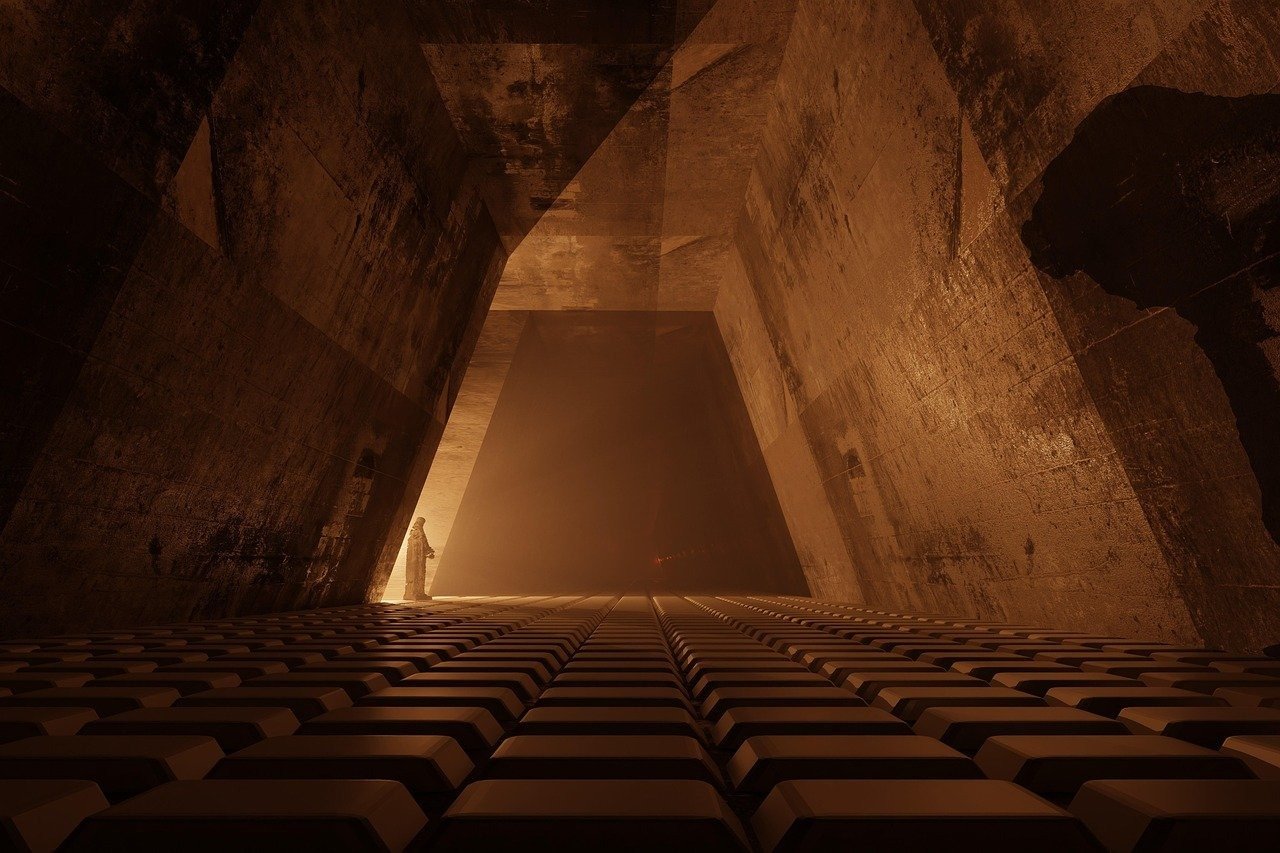
The Cinematic Surreal AI Music Video Visualizer Prompt provides a professional framework for creating high-end, abstract, and emotionally resonant visual content tailored for modern AI video generation platforms. By leveraging advanced prompt engineering techniques, this tool enables users to synthesize dreamlike imagery, consistent character archetypes, and fluid cinematic transitions that align perfectly with rhythmic audio structures. Ideal for independent musicians, digital artists, and marketing agencies, this resource facilitates the production of viral-ready social media reels and professional music videos that demand high visual engagement. Whether utilizing OpenAI models for creative ideation or deploying specialized video synthesis engines like those found on Hugging Face, this prompt ensures structural integrity and stylistic cohesion. It bridges the gap between complex creative vision and technical execution, allowing creators to produce trending videos that stand out in competitive digital landscapes through sophisticated, surrealist storytelling and polished aesthetic precision.
Contents
About Prompt
Prompt Type: Text-to-Video / Image-to-Video
Prompt Nature: Text-to-Video
Niche: Music Video Production / Surrealist Art
Category: Creative Arts & Media
Language: English
Prompt Title: Cinematic Surreal AI Music Video Visualizer Prompt
Prompt Platforms: Runway Gen-3 Alpha, Kling AI, Luma Dream Machine, Stability AI Stable Video Diffusion
Target Audience: Music Producers, Video Editors, Digital Content Creators, Visual Artists
Skill Level: Advanced
Visual Style: Cinematic Surrealism, Ethereal, High-Contrast, Dreamscape
Optional Notes: Focus on maintaining temporal consistency by keeping camera movements slow and deliberate; use the provided scene structure to match the BPM of your audio track.
How to Use This Prompt
- Step 1: Prepare your audio track and identify the key emotional beats where you want the visual aesthetic to shift.
- Step 2: Paste the master prompt into your preferred AI video generator (e.g., Runway, Kling, or Luma).
- Step 3: If using a model that supports image-to-video, upload a reference keyframe to maintain character and environment consistency across the sequence.
- Step 4: Adjust the motion intensity settings within your platform to match the pacing of your music track.
- Step 5: Render the scenes sequentially, ensuring that the transition cues in the prompt are utilized to maintain narrative flow.
Required Input: No external file required. Customize the relevant details directly inside the prompt.
Customize: Modify the “Environment” and “Color Palette” variables to match the specific mood and genre of your music track, and adjust “Camera Movement” to align with the song’s energy.
Prompt
Scene 1: The Awakening. Duration: 5 seconds. Environment: A vast, infinite desert of obsidian sand under a violet nebula sky. Character: A solitary figure, tall, wearing flowing translucent silk robes that shimmer with iridescent light. Wardrobe: Ancient ethereal aesthetic, layered sheer fabrics, glowing metallic filigree. Props: A floating, glowing crystalline orb. Camera Angle: Wide tracking shot. Lens: 24mm anamorphic. Camera Movement: Slow, sweeping lateral pan. Subject Movement: Character slowly reaches out toward the orb. Facial Expressions: Serene, eyes closed, slight smile. Lighting: Bioluminescent glow from the orb, deep purple rim light. Color Palette: Deep violet, obsidian, electric cyan. Atmosphere: Low-hanging mist, floating dust particles. Transition to Next Scene: The orb pulses, emitting a blinding white light that transitions to the next environment.
Scene 2: The Fractal Forest. Duration: 5 seconds. Environment: A forest where trees are made of geometric glass shards and liquid mercury, reflecting the nebula sky. Character: Same figure, now walking through the shifting glass trunks. Wardrobe: Consistent with Scene 1. Camera Angle: Low angle, looking up. Lens: 35mm. Camera Movement: Push-in on the character. Subject Movement: Walking rhythmically, stepping over pools of mercury. Facial Expressions: Wonder, eyes scanning the environment. Lighting: Refractive, kaleidoscopic light patterns. Color Palette: Silver, emerald, deep indigo. Atmosphere: High-fidelity reflections, crystalline dust. Transition to Next Scene: The camera zooms into a reflection in a mercury pool, warping the view into a macro shot of an eye.
Scene 3: The Celestial Void. Duration: 5 seconds. Environment: A zero-gravity chamber filled with floating antique furniture and clockwork gears. Character: Same figure, floating mid-air. Wardrobe: Consistent with Scene 1. Camera Angle: Overhead, rotating. Lens: 50mm. Camera Movement: Slow 360-degree orbit. Subject Movement: Gentle, fluid swimming motion. Facial Expressions: Calm, focused. Lighting: Soft, diffused golden light from an unseen source. Color Palette: Gold, ivory, deep navy. Atmosphere: Dust motes dancing in slow motion, soft glow. Transition to Next Scene: The gears align to form a portal of light.
Scene 4: The Convergence. Duration: 5 seconds. Environment: A surreal landscape where the desert, forest, and void merge into a single vista. Character: Same figure standing at the center. Wardrobe: Consistent with Scene 1. Camera Angle: Extreme wide shot. Lens: 18mm. Camera Movement: Slow zoom out, revealing the scale. Subject Movement: Arms wide open, embracing the convergence. Facial Expressions: Empowered, triumphant. Lighting: Dramatic, high-contrast chiaroscuro. Color Palette: Full spectrum, high vibrancy. Atmosphere: Intense, cinematic, ethereal. End Frame: The character dissolves into stardust, leaving only the glowing orb behind.
Global Settings: Cinematic quality, 8K resolution, hyper-realistic textures, physically accurate lighting, fluid motion, consistent character identity, high-frame-rate rendering, Unreal Engine 5 aesthetic, photorealistic skin, ultra-detailed fabrics, depth of field, sharp focus, professional color grading.
Prompt Variations
1. Cyberpunk Noir: Focus on neon-drenched urban rain, dark metallic textures, and high-contrast blue and magenta lighting.
2. Fantasy Kingdom: Utilize lush, organic landscapes, flowing water, golden hour sunlight, and ornate, regal attire.
3. Minimalist Abstract: Emphasize geometric shapes, monochromatic color palettes, and stark, clean compositions.
4. Vintage Dreamscape: Apply a 16mm film grain, sepia and muted tones, and a soft-focus lens aesthetic for a nostalgic feel.
5. Sci-Fi Dystopian: Feature rusted industrial environments, harsh flickering artificial lighting, and utilitarian, worn-out clothing.
Negative Prompt
low quality, low resolution, compression artifacts, blur, noise, poor anatomy, duplicate subjects, cropped, bad proportions, watermarks, logos, text overlays, incorrect lighting, oversaturated colors, underexposed, overexposed, motion artifacts, render errors, AI hallucinations, extra limbs, extra fingers, incorrect perspective, identity drift, camera jitter, frame flicker, temporal inconsistency, lip sync mismatch, motion warping, scene discontinuity, character inconsistency, object morphing, background instability, audio clipping, music distortion.
Expert Usage Tips
Use “Seed” consistency settings in your video generator to keep the character’s facial features identical across all four scenes.
If the character morphs, reduce the “Motion” parameter in your settings to ensure smoother, more stable movement.
Sync your scene changes to the beat of your music by adjusting the duration of each scene in your video editor post-render.
For a more cinematic look, add “anamorphic lens flares” or “film grain” overlays during the final editing process.
Experiment with changing the “Environment” variable to match specific song lyrics for a more integrated storytelling experience.