

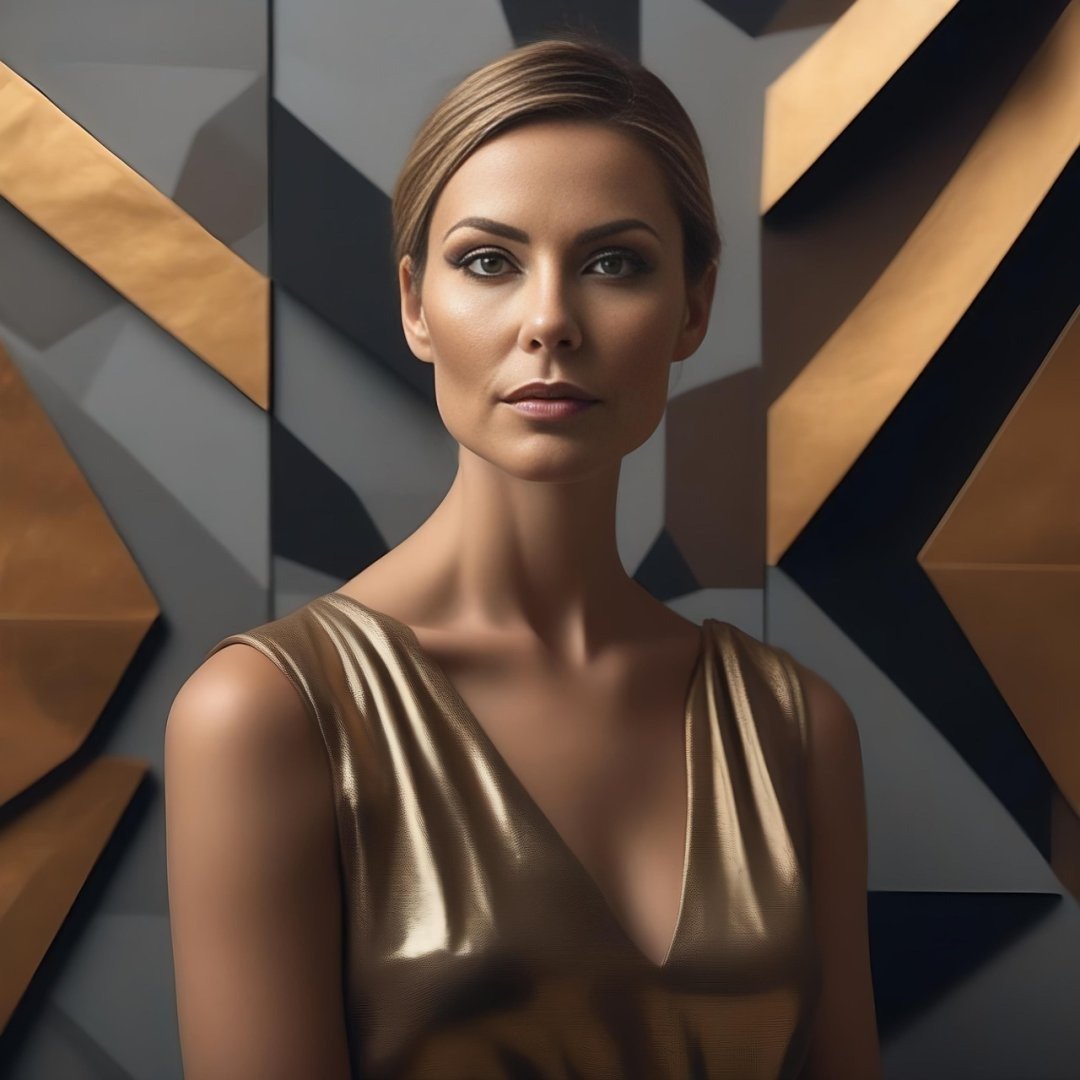
This immersive Kling AI storytelling prompt provides a sophisticated framework for generating high-fidelity, cinematic narratives that leverage advanced temporal consistency and photorealistic motion synthesis. Designed for professional creators and digital filmmakers, the prompt structure facilitates the production of complex, multi-scene visual sequences where character identity, environmental lighting, and narrative pacing remain fluid and cohesive. Whether users are developing viral social media reels, short-form narrative content, or high-end commercial storyboards, this tool ensures precise control over camera dynamics and atmospheric depth. By utilizing these meticulously crafted instructions, content creators can bypass the common pitfalls of AI video generation, such as identity drift or erratic motion, to achieve a polished, broadcast-quality aesthetic. This resource is an essential asset for anyone seeking to push the boundaries of modern AI-assisted video production and storytelling while maintaining absolute creative authority over the final visual output.
About Prompt
Prompt Type: Text-to-Video
Niche: Cinematic Storytelling
Category: AI Video Generation
Language: English
Prompt Title: Immersive Kling AI storytelling prompt
Prompt Platforms: Kling AI, Runway Gen-3, Luma Dream Machine
Target Audience: Filmmakers, Content Creators, Digital Artists
Skill Level: Advanced
Visual Style: Cinematic Photorealism
Optional Notes: Maintain consistency by referencing specific character traits and lighting coordinates across every scene description to ensure seamless transition and temporal stability.
Prompt
Scene 2: The Discovery. Duration: 6 seconds. Environment: Same library, camera tracking the character as she stands up. Character: Same attire and appearance, face showing intense curiosity and slight fear. Camera: Handheld style, 35mm lens, following the character’s movement. Subject Movement: She walks toward a large, flickering holographic map projected in the center of the room. Facial Expressions: Eyes darting rapidly, slight frown of concentration. Lighting: The hologram casts a vibrant neon-violet glow on her skin. Atmosphere: Increased density of floating debris. Sound: Digital chime when she touches the hologram. Music: Orchestral strings enter, rhythmic and pulsing.
Scene 3: The Escape. Duration: 6 seconds. Environment: The library exterior, transition to a rain-slicked cyberpunk street at night. Character: Running, jacket flapping in the wind. Camera: FPV tracking shot, 24mm lens. Subject Movement: Sprinting toward a neon-lit alleyway, looking back over her shoulder. Facial Expressions: Determined, adrenaline-fueled, heavy breathing. Lighting: Wet pavement reflections, harsh red and cyan neon signage. Atmosphere: Heavy rain, fog, steam rising from vents. Sound: Heavy footsteps on wet concrete, rain hitting metal, siren in distance. Music: Fast-paced, high-energy electronic bass with cinematic percussion. End frame: Character disappears into the shadows of the alley, leaving a lingering neon glow.
Prompt Variations
1. Noir Thriller: High-contrast monochrome palette, 50mm lens, film grain, rain-soaked city streets, mysterious atmosphere, jazz-infused ambient soundscape.
2. Sci-Fi Epic: Wide-angle 16mm shots, grand scale desert planet, golden hour lighting, futuristic armor, sweeping drone cinematography, orchestral cinematic score.
3. Psychological Drama: Tight 85mm close-ups, soft studio lighting, focus on micro-expressions, minimalist interior, slow-paced movement, poignant piano-only soundtrack.
4. Cyberpunk Action: Fast-paced shaky cam, neon-drenched urban environment, high-octane motion, glitch effects, heavy industrial bass and synthesizer music.
5. Fantasy Adventure: Natural sunlight, lush overgrown forest ruins, ethereal particles, flowing garments, sweeping crane shots, adventurous folk-inspired orchestral music.
Negative Prompt
Expert Usage Tips
Define the character’s unique “anchor” features (like a specific scar or accessory) in the first scene to maintain consistency across the entire generation.
Use specific lens focal lengths (e.g., 35mm for cinematic, 85mm for portraits) to force the AI to adopt a professional photographic perspective.
For better movement control, describe the subject’s physical interaction with the environment (e.g., “fingertips grazing the rough stone wall”).
Adjust the “Atmosphere” section to dictate the emotional weight; use terms like “oppressive fog” or “hopeful morning light” to influence the color grade.
If the AI struggles with continuity, keep the camera movement simple and focus on character-led actions rather than complex environment changes.