


The pace of innovation within US AI platforms is accelerating dramatically, with significant updates and new capabilities emerging at a breathtaking speed that is reshaping how businesses and individuals interact with artificial intelligence. This rapid evolution underscores a burgeoning competitive landscape and a clear drive towards more accessible, powerful, and integrated AI solutions, impacting everything from software development to creative workflows and everyday consumer applications.
Contents
The Shifting Sands of US AI Platform Development
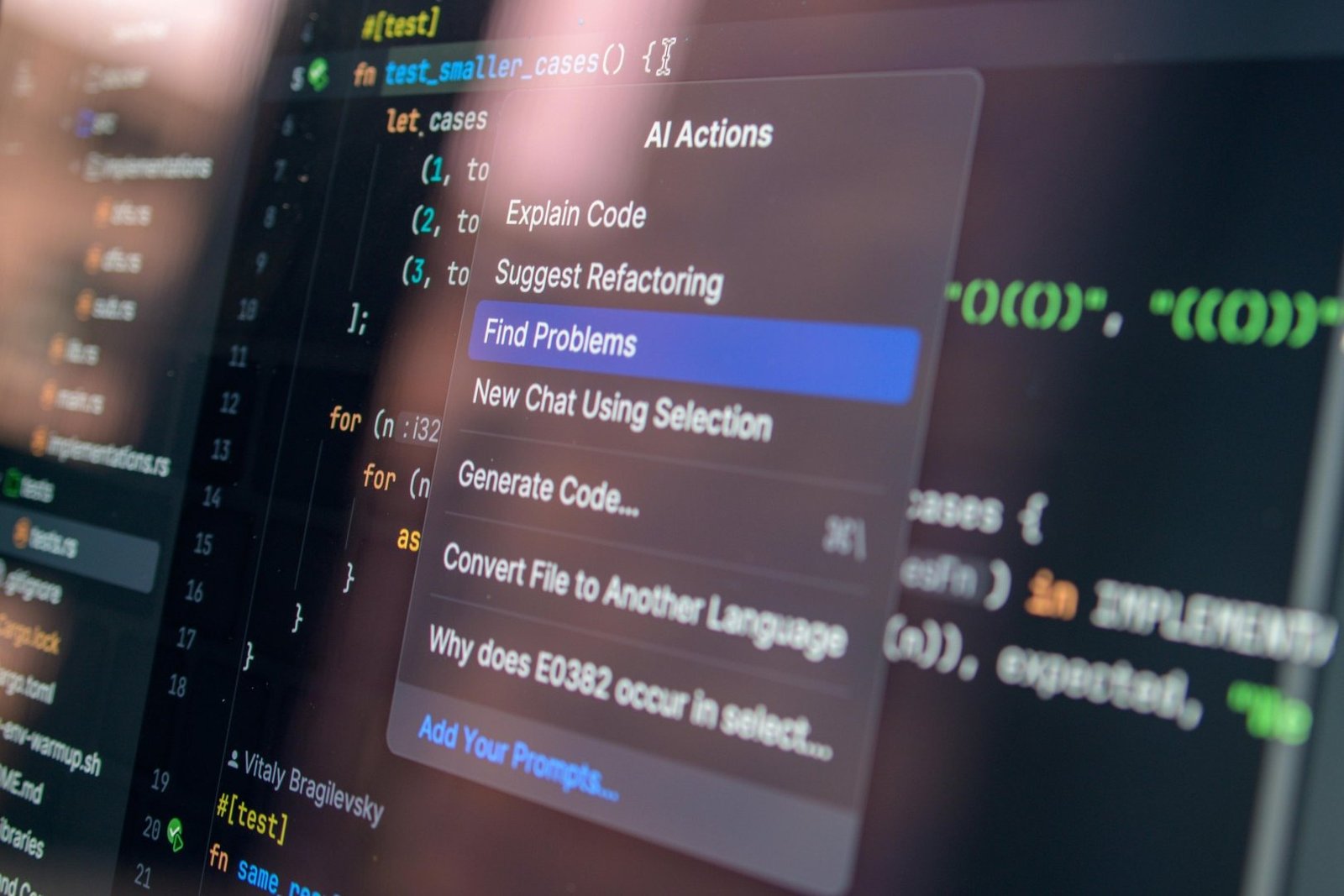
Recent months have witnessed a surge of advancements from major US-based technology giants and agile startups alike, all vying to establish dominance in the artificial intelligence sector. These developments are not merely iterative improvements; they represent fundamental shifts in the accessibility and utility of AI, moving beyond niche research applications to become integral components of broader technological ecosystems. The focus is increasingly on democratizing access, enhancing user experience through intuitive interfaces, and expanding the practical applications of AI across a multitude of industries. This intense period of innovation reflects a strategic imperative for these companies to lead the next wave of technological transformation.
Key Features and Emerging Capabilities
The latest iterations of US AI platforms are characterized by several key advancements. Multimodal AI, capable of understanding and generating content across text, images, audio, and even video, is becoming increasingly sophisticated. This allows for richer interactions and more complex problem-solving. For instance, platforms are integrating capabilities that can analyze a photograph and generate descriptive text, or conversely, take a textual description and create a visual representation.
Furthermore, there’s a pronounced emphasis on enhanced reasoning and problem-solving abilities. AI models are demonstrating improved capacity to perform complex logical deductions, understand nuanced instructions, and even engage in creative tasks like writing code or composing music. This is facilitated by larger, more efficient model architectures and refined training methodologies. The development of more robust APIs and developer tools is also a critical trend, empowering third-party developers to build innovative applications on top of these foundational AI models, thereby expanding the overall AI ecosystem. The availability of sophisticated AI Tools is fostering a new generation of applications.
Industry Impact and Analytical Perspectives
The rapid evolution of US AI platforms has profound implications across the entire industry. For businesses, this means new opportunities for automation, enhanced customer service, personalized marketing, and accelerated research and development. Companies are exploring how to leverage these advancements to gain a competitive edge, optimize operations, and create novel products and services. The ability to process and analyze vast datasets with greater speed and accuracy is a game-changer for sectors ranging from healthcare and finance to manufacturing and entertainment.
For developers, the landscape is becoming more accessible yet also more complex. The availability of powerful AI models through APIs lowers the barrier to entry for creating AI-powered applications. However, understanding the nuances of different models, prompt engineering, and ethical considerations is becoming increasingly important. The emergence of a “List of AI Prompts” that are effective for specific tasks highlights this learning curve. Tools designed to assist in this process, such as a Prompt Generator Tool, are gaining traction.
The competitive dynamics are also intensifying. Tech giants are investing heavily in research and development, acquiring promising AI startups, and forging strategic partnerships to maintain their leadership positions. This competition, while driving innovation, also raises questions about market concentration and the potential for monopolies in critical AI technologies. Regulatory bodies are beginning to pay closer attention, seeking to understand the implications for data privacy, algorithmic bias, and national security.
Future Implications for Users, Developers, and Regulators
Looking ahead, the trajectory suggests even more integrated and intuitive AI experiences. We can anticipate AI becoming more embedded into everyday software, from operating systems to productivity suites, offering proactive assistance and personalized insights. The development of specialized AI models tailored to specific industries or tasks will likely accelerate, leading to more nuanced and effective solutions.
For users, this could mean more personalized digital assistants, more engaging educational tools, and more accessible creative outlets. Developers will continue to grapple with the ethical implications of AI, focusing on fairness, transparency, and accountability. The demand for skilled AI professionals, particularly those with expertise in model development, deployment, and ethical governance, will undoubtedly continue to grow.
Regulators face the formidable challenge of creating frameworks that foster innovation while mitigating potential risks. This includes addressing issues such as data bias, job displacement, and the responsible deployment of AI in sensitive areas. The ongoing dialogue between industry, academia, and government will be crucial in shaping the future of AI governance. The continued advancement of US AI platforms necessitates careful consideration of their societal impact.
The Evolving Landscape of AI Platforms
The current period of rapid advancement in US AI platforms represents a pivotal moment in the history of artificial intelligence. The convergence of sophisticated algorithms, increased computational power, and vast datasets is enabling AI to move beyond theoretical possibilities into practical, everyday applications. The focus on accessibility, with more user-friendly interfaces and robust developer tools, is democratizing access to powerful AI capabilities, fostering a vibrant ecosystem of innovation. As these platforms continue to evolve, understanding their implications for society, industry, and individual users will be paramount. Keeping abreast of the latest developments in AI Tools and the ongoing refinement of techniques, including the effective use of a List of AI Prompts, will be essential for navigating this dynamic technological frontier. The future promises even greater integration and transformative potential as US AI platforms continue their fast-paced evolution.