
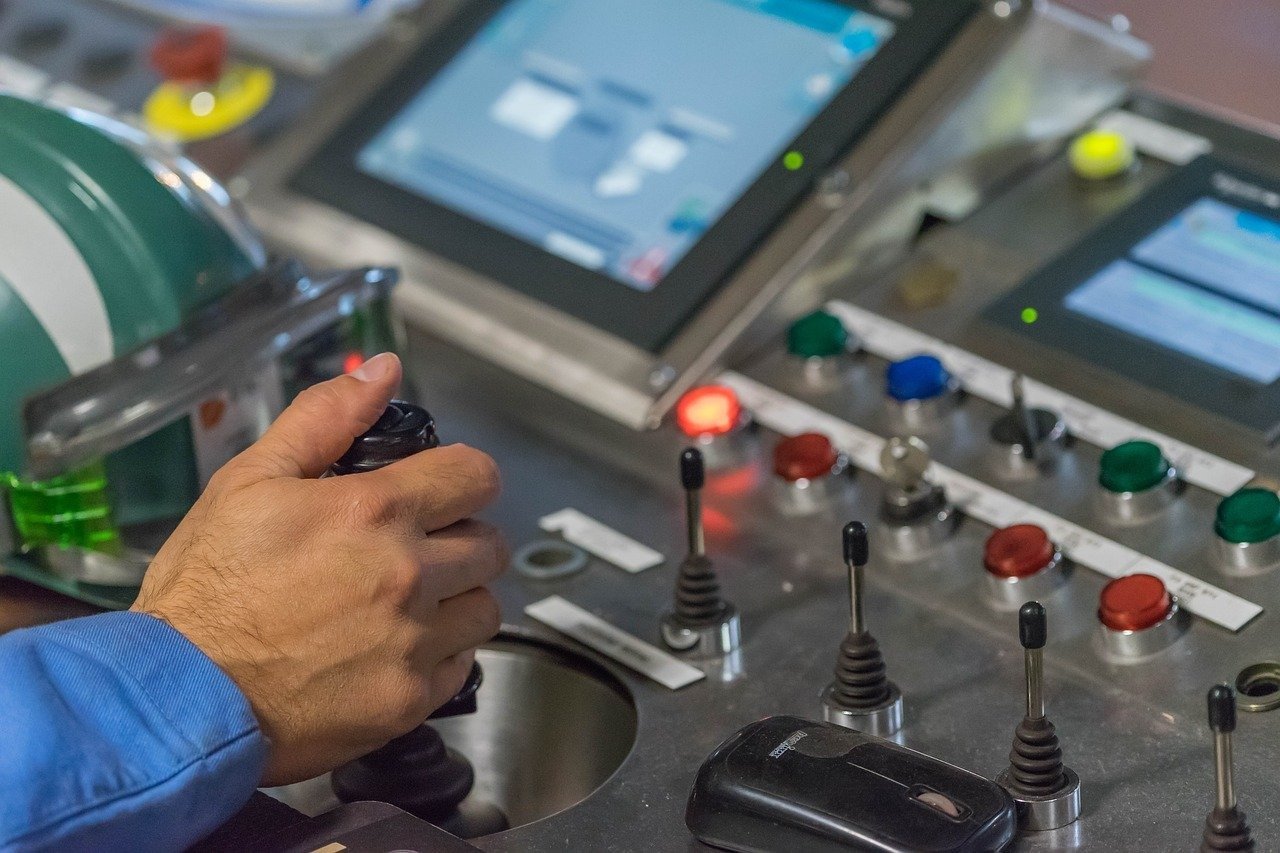
The Futuristic AI Assistant Digital Interface Concept Prompt provides a sophisticated framework for generating high-fidelity visual assets, perfect for UI/UX designers, science fiction concept artists, and creative directors working on next-generation tech branding. By leveraging advanced generative AI models, this tool produces hyper-realistic, cinematic representations of immersive digital environments, holographic data streams, and intuitive human-machine interaction systems. Users can apply this to create stunning marketing visuals for software launches, conceptualize immersive interface design for film or games, or build high-end assets for social media content. This professional resource is ideal for those seeking to elevate their digital storytelling with precise, aesthetically cohesive, and visually complex AI images. It bridges the gap between abstract technical concepts and tangible, premium-quality graphic design, ensuring that every output maintains a consistent level of technical excellence and visual impact across various digital media platforms.
About Prompt
Prompt Type: Text-to-Image / Cinematic Concept Art
Niche: Sci-Fi UI/UX & Futuristic Technology
Category: Digital Art & Interface Design
Language: English
Prompt Title: Futuristic AI Assistant Digital Interface Concept Prompt
Prompt Platforms: Midjourney, Flux, Stable Diffusion, DALL-E 3
Target Audience: UI/UX Designers, Sci-Fi Concept Artists, Creative Directors
Skill Level: Advanced
Visual Style: Cyber-minimalist, Photorealistic, High-Tech, Cinematic
Optional Notes: Focus on glassmorphism and volumetric lighting to enhance the depth of the holographic interface elements.
Prompt
Prompt Variations
Variation 1: Cyberpunk Dystopian Style. Incorporate gritty textures, flickering neon red and yellow light, distressed metal surfaces, and chaotic, dense data streams for a high-intensity, urban industrial aesthetic.
Variation 2: Minimalist Apple-esque Design. Focus on clean white backgrounds, soft natural light, rounded soft edges, muted pastel interface elements, and a focus on simplicity and high-end luxury product aesthetics.
Variation 3: Deep Space Exploration Theme. Use a palette of starry deep blues, warm gold accents, and complex stellar map projections as the primary interface, emphasizing a vast, cosmic, and awe-inspiring atmosphere.
Variation 4: Biomechanical Neural Interface. Integrate organic, vein-like glowing structures and fluid, liquid-like interface motion, blending biological aesthetics with advanced synthetic circuitry.
Variation 5: Retro-Futurist 80s Synthwave Style. Utilize purple and pink laser grids, chrome metallic finishes, CRT monitor scanlines, and a vintage high-tech aesthetic reminiscent of classic science fiction cinema.
Negative Prompt
low quality, low resolution, compression artifacts, blur, noise, poor anatomy, duplicate subjects, cropped, bad proportions, watermarks, logos, text overlays, incorrect lighting, oversaturated colors, underexposed, overexposed, motion artifacts, render errors, AI hallucinations, extra limbs, extra fingers, incorrect perspective, jagged lines, messy UI, cluttered data, low fidelity textures, flat lighting, cartoonish, hand-drawn, sketch, grainy, out of focus, distorted geometry, inconsistent lighting, incoherent interface layout.
Expert Usage Tips
Adjust the “f-stop” value in the prompt to control the depth of field; use f/1.4 for a dreamy, bokeh-heavy background or f/8 for a crisp, detailed architectural view.
Experiment with specific color keywords like “iridescent,” “monochromatic,” or “amber glow” to instantly shift the emotional tone of the digital interface.
If using Midjourney, append “–ar 16:9” for cinematic widescreen or “–ar 9:16” for vertical social media reels to optimize the composition.
For more complex interfaces, add descriptors like “layered glassmorphism” or “holographic wireframe” to increase the density of the visual information.
Use “volumetric lighting” and “tyndall effect” to create a more realistic, immersive atmosphere within the digital space.