
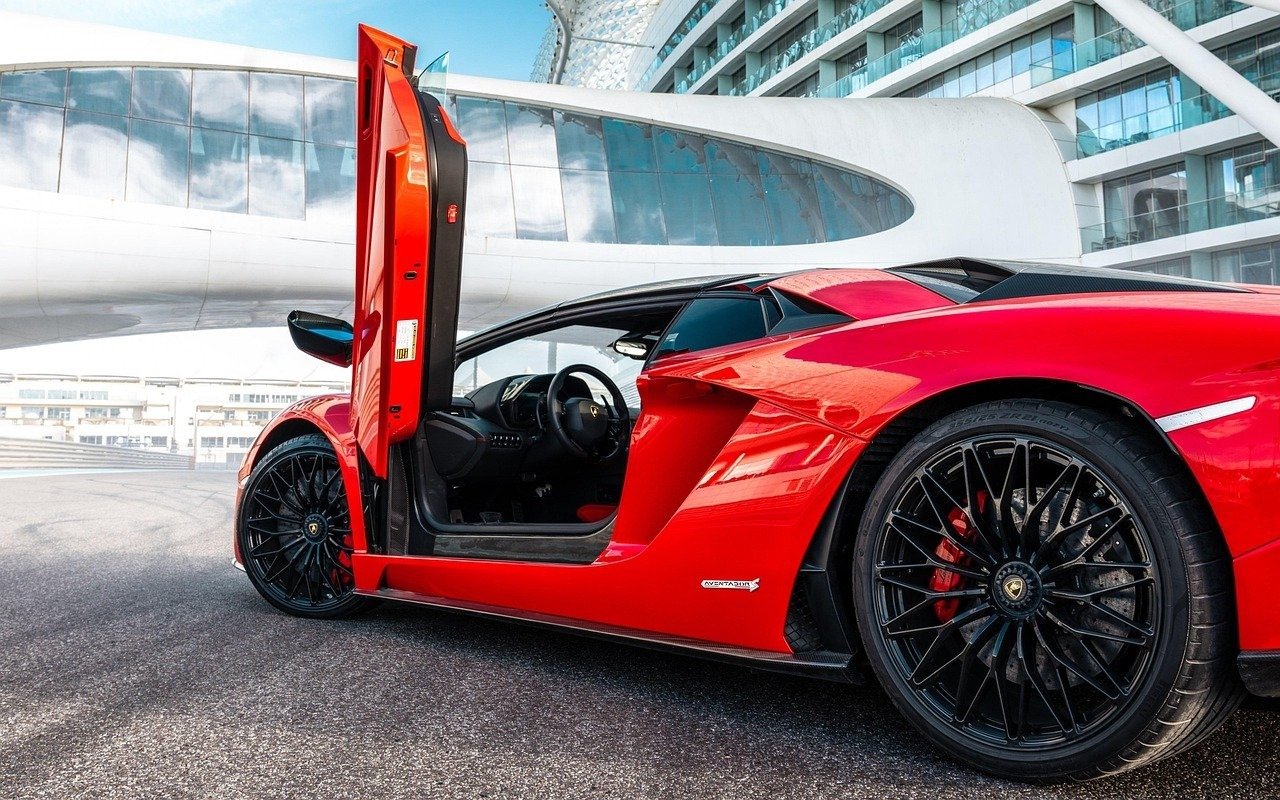
The concept of *Reality Glitch Distortion Art Prompt* has exploded in popularity, captivating digital artists and enthusiasts alike. This fascinating art form explores the manipulation of visual data, creating striking images that challenge our perception of reality. Understanding the techniques and nuances of creating these distortions is crucial for anyone looking to push the boundaries of digital art. By experimenting with various algorithms and effects, artists can produce pieces that evoke a sense of unease, wonder, or even humor. The beauty of glitch art lies in its unpredictable nature, where unexpected errors and imperfections become integral parts of the final artwork. This exploration not only enhances artistic skills but also offers a commentary on our increasingly digital world, where glitches and imperfections are becoming commonplace.
About Prompt
Prompt Type: Content Generation, Image Creation, Coding, Educational, Marketing
Niche: Technology, AI, Gaming, Finance, Health, Lifestyle, Education
Category: Tips, Tricks, Tutorials, Guides, Examples, Templates
Language: English, Hindi, Spanish, Other
Prompt Title: Reality Glitch Distortion Art Prompt
Prompt Platforms: ChatGPT, GPT 4, GPT 4o, Claude, Claude 3, Claude Sonnet, Gemini, Gemini Pro, Gemini Flash, Google AI Studio, Grok, Perplexity, Copilot, Meta AI, LLaMA, Mistral, Cohere, DeepSeek, Midjourney, DALL E, Stable Diffusion, Leonardo AI, Runway, Pika, Synthesia, ElevenLabs, Other AI Platforms
Target Audience: Beginners, Professionals, Students, Content Creators, Developers, Marketers, Designers
Optional Notes: Any additional context that improves prompt clarity
Prompt
Image Generation Prompt:
Target Audience: Digital Artists, Graphic Designers, AI Art Enthusiasts
Tone: Professional, Creative, Experimental
Style: Paragraph
Output Format: Text (AI Image Generation Prompt)
Prompt: Create an image featuring [Subject: e.g., a cityscape, a portrait, a still life] undergoing a dramatic reality glitch. The glitch should manifest as [Type of Glitch: e.g., pixel displacement, color bleeding, geometric fragmentation]. Emphasize [Dominant Color Palette: e.g., neon pink and electric blue, muted grayscale, vibrant primary colors]. Incorporate elements of [Artistic Style: e.g., cyberpunk, surrealism, abstract expressionism]. The overall mood should be [Mood: e.g., unsettling, chaotic, futuristic]. Add details such as [Specific Detail 1: e.g., distorted reflections, fragmented text, repeating patterns] and [Specific Detail 2: e.g., static noise overlay, chromatic aberration, vector graphics]. Render the image in [Rendering Style: e.g., photorealistic, low poly, digital painting] with a resolution of [Resolution: e.g., 4K, 8K].
Variable Examples:
- Subject: A bustling Tokyo street at night, a close-up of a human eye, a bowl of fruit.
- Type of Glitch: Horizontal tearing, RGB channel separation, data corruption artifacts.
- Dominant Color Palette: Deep purple and teal gradients, stark black and white contrast, earthy tones with a splash of red.
- Artistic Style: Vaporwave, Dadaism, glitch art.
- Mood: Dreamlike, unsettling, energetic.
- Specific Detail 1: Ghostly afterimages, corrupted file names, binary code raining down.
- Specific Detail 2: Screen burn-in effect, corrupted textures, scan lines.
- Rendering Style: Hyperrealistic, stylized, impressionistic.
- Resolution: 3840×2160, 7680×4320.
Image to Video Prompt:
Target Audience: Video Editors, Motion Graphics Artists, AI Video Enthusiasts
Tone: Professional, Dynamic, Experimental
Style: Paragraph
Output Format: Text (AI Video Generation Prompt)
Prompt: Animate the still image generated previously, creating a short video (5-10 seconds) that showcases the Reality Glitch Distortion Art Prompt in motion. The primary animation should focus on [Animation Style: e.g., subtle flickering, pulsating glitch effects, expanding waves of distortion]. Add secondary elements such as [Secondary Animation: e.g., drifting particles, shifting color gradients, evolving geometric patterns]. The video should maintain the original [Dominant Color Palette] and [Artistic Style] from the still image. Incorporate sound design elements such as [Sound Effect 1: e.g., static noise, digital beeps, distorted synth sounds] and [Sound Effect 2: e.g., echoing delays, reversed audio snippets, granular synthesis]. The video should end with a smooth transition to [Ending Transition: e.g., a fade to black, a zoom out revealing the original image, a sharp cut to a clean version of the subject]. Render the video in [Frame Rate: e.g., 30fps, 60fps] with a resolution of [Resolution: e.g., 1920×1080, 3840×2160].
Variable Examples:
- Animation Style: Gradual build-up of glitches, abrupt shifts in perspective, morphing shapes.
- Secondary Animation: Floating pixels, shimmering light effects, evolving fractal patterns.
- Dominant Color Palette: (Same as image prompt).
- Artistic Style: (Same as image prompt).
- Sound Effect 1: White noise bursts, data transfer sounds, detuned melodies.
- Sound Effect 2: Lo-fi reverb, glitched vocal samples, bitcrushed textures.
- Ending Transition: Dissolve effect, camera pan, glitch back to reality.
- Frame Rate: 24fps, 120fps.
- Resolution: 1280×720, 7680×4320.