
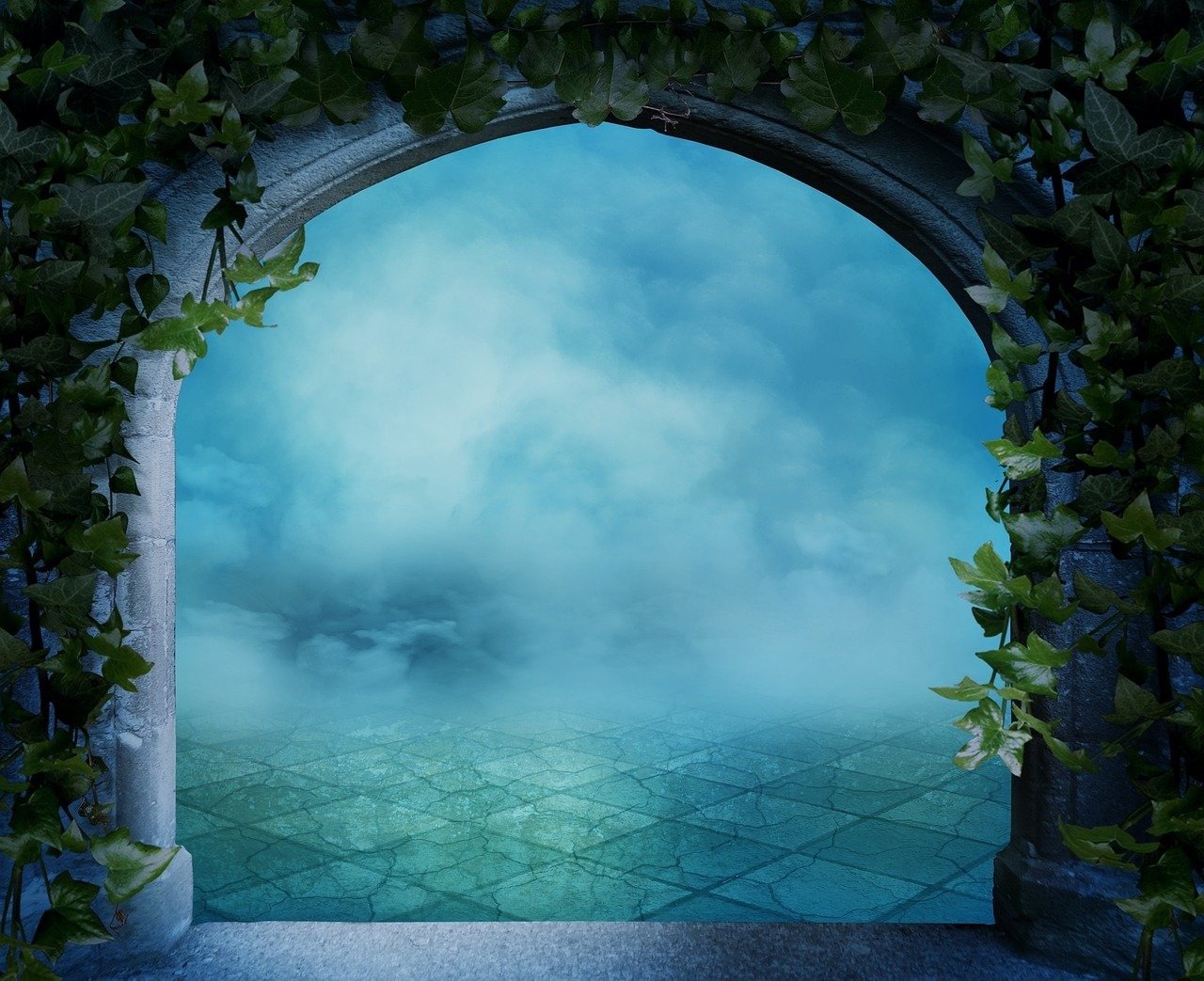
The allure of a *cinematic glass building interior* lies in its ability to blend modern architecture with dramatic lighting and composition. These spaces, often characterized by soaring ceilings and expansive windows, offer a unique canvas for visual storytelling. Capturing the essence of such interiors requires a keen understanding of perspective, light, and shadow. The interplay of natural and artificial light, reflecting and refracting through the glass, creates a mesmerizing effect. The use of wide-angle lenses and careful framing can further enhance the sense of scale and grandeur. Ultimately, the goal is to evoke a sense of awe and wonder, inviting the viewer to immerse themselves in the architectural beauty of the scene. The right textures and color palettes are also essential to capture the desired mood and atmosphere.
About Prompt
Prompt Type: Content Generation, Image Creation, Coding, Educational, Marketing
Niche: Technology, AI, Gaming, Finance, Health, Lifestyle, Education
Category: Tips, Tricks, Tutorials, Guides, Examples, Templates
Language: English
Prompt Title: Cinematic Glass Building Interior Prompt
Prompt Platforms: ChatGPT, GPT 4, GPT 4o, Claude, Claude 3, Claude Sonnet, Gemini, Gemini Pro, Gemini Flash, Google AI Studio, Grok, Perplexity, Copilot, Meta AI, LLaMA, Mistral, Cohere, DeepSeek, Midjourney, DALL E, Stable Diffusion, Leonardo AI, Runway, Pika, Synthesia, ElevenLabs, Other AI Platforms
Target Audience: Beginners, Professionals, Students, Content Creators, Developers, Marketers, Designers
Optional Notes: This prompt aims to generate realistic and visually stunning images and videos of glass building interiors, suitable for architectural visualization and artistic purposes.
Prompt
“Create a photorealistic image of a cinematic glass building interior, [Time of Day]. The scene should feature [Architectural Style] architecture with expansive glass walls offering a view of [Exterior Environment]. The interior should be illuminated by [Lighting Type] light, casting [Shadow Quality] shadows. The color palette should be [Color Palette], creating a [Mood] atmosphere. Include [Interior Elements] to add depth and interest. The composition should be [Composition Technique], emphasizing the scale and grandeur of the space. Render in [Rendering Style] with a resolution of [Resolution] and a wide aspect ratio [Aspect Ratio].”
Variables:
- Time of Day: (Examples: “golden hour”, “late afternoon”, “night”, “early morning”)
- Architectural Style: (Examples: “modernist”, “art deco”, “brutalist”, “futuristic”)
- Exterior Environment: (Examples: “a bustling cityscape”, “a serene forest”, “a mountain range”, “a tranquil ocean”)
- Lighting Type: (Examples: “soft natural light”, “dramatic artificial lighting”, “warm ambient light”, “cool fluorescent light”)
- Shadow Quality: (Examples: “long, dramatic shadows”, “subtle, diffused shadows”, “sharp, contrasting shadows”, “no shadows”)
- Color Palette: (Examples: “warm and inviting”, “cool and minimalist”, “bold and vibrant”, “monochromatic”)
- Mood: (Examples: “peaceful”, “inspiring”, “sophisticated”, “futuristic”)
- Interior Elements: (Examples: “lush greenery”, “modern furniture”, “abstract art”, “water features”)
- Composition Technique: (Examples: “leading lines”, “rule of thirds”, “symmetrical balance”, “aerial perspective”)
- Rendering Style: (Examples: “octane render”, “unreal engine”, “ray tracing”, “3D render”)
- Resolution: (Examples: “8K”, “4K”, “ultra-high resolution”)
- Aspect Ratio: (Examples: “16:9”, “21:9”, “3:2”)
Image-to-Video Prompt:
“Animate a slow, cinematic pan across the photorealistic image of the cinematic glass building interior. Start by focusing on [Starting Point] and slowly pan towards [Ending Point]. Add subtle camera movements like [Camera Movement Type] to enhance the sense of depth and realism. Incorporate gentle [Particle Effects] to create a dynamic atmosphere. The video should be [Duration] long and rendered in [Frame Rate] with a resolution of [Video Resolution]. The overall tone should be [Video Tone], complementing the original image.”
Variables:
- Starting Point: (Examples: “a reflective glass surface”, “a distant cityscape”, “a piece of art”, “a water feature”)
- Ending Point: (Examples: “the soaring ceiling”, “the expansive view”, “a group of people”, “the main entrance”)
- Camera Movement Type: (Examples: “slight zoom”, “gentle tilt”, “subtle dolly”, “smooth track”)
- Particle Effects: (Examples: “dust motes”, “subtle light rays”, “falling snow”, “gentle rain”)
- Duration: (Examples: “10 seconds”, “15 seconds”, “30 seconds”)
- Frame Rate: (Examples: “30 fps”, “60 fps”)
- Video Resolution: (Examples: “4K”, “1080p”)
- Video Tone: (Examples: “calm and serene”, “epic and grand”, “modern and sleek”, “mysterious and intriguing”)