

The recent surge in demand for artificial intelligence capabilities has ignited a fierce competition among tech giants to develop more powerful and efficient AI chips, leading to a new era of innovation and investment in hardware acceleration; this push is driven by the increasing complexity of AI models and the need for faster processing speeds to support applications like generative AI, autonomous driving, and advanced data analytics, as evidenced in AI news today. This competition is not just about creating faster chips, but also about optimizing energy efficiency and reducing the environmental impact of AI, which has broad implications for the entire technology industry and beyond.
Contents
The Burgeoning AI Chip Race
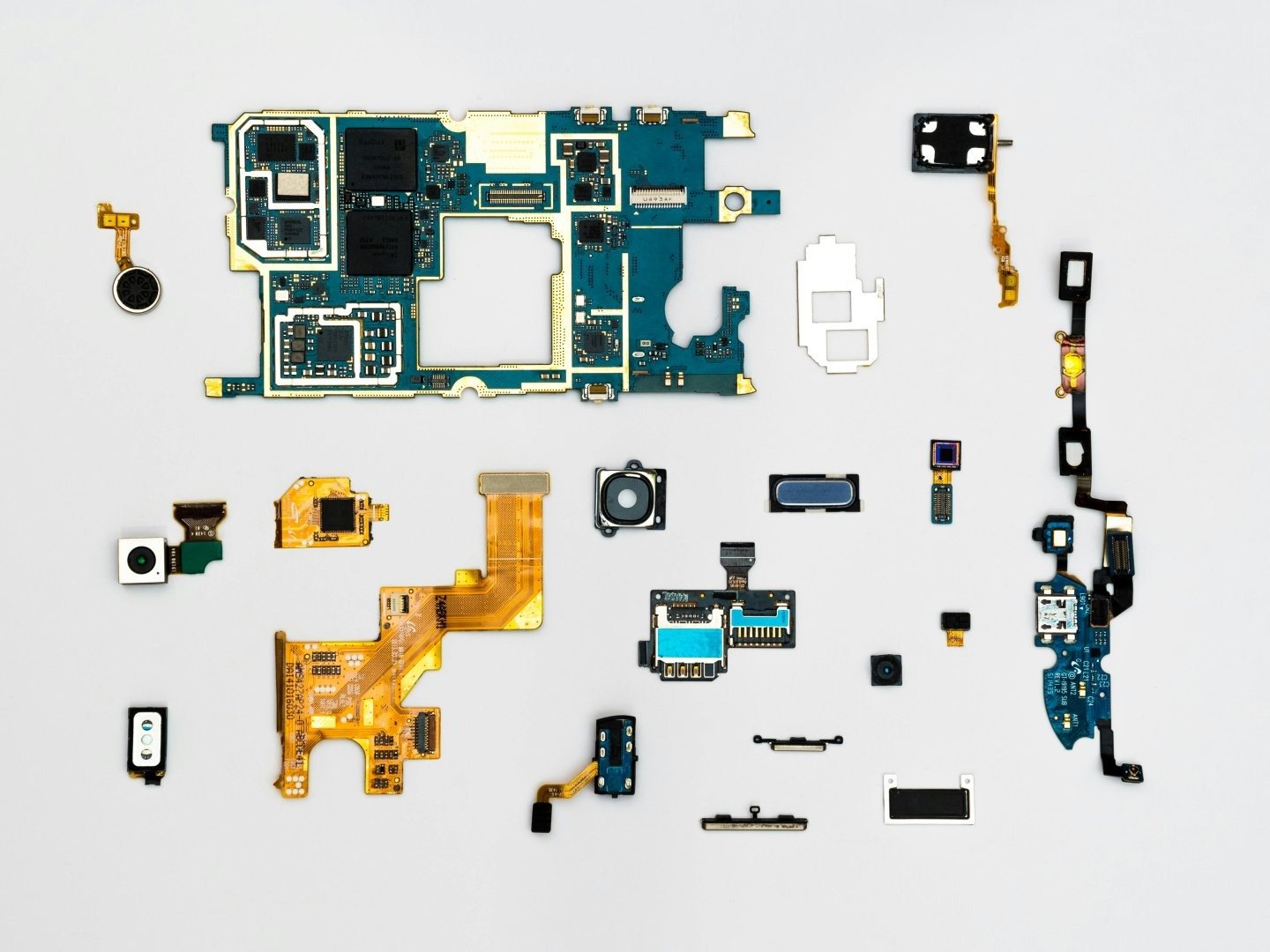
The development of advanced AI chips is no longer confined to traditional semiconductor companies. Major players in the cloud computing space, as well as AI software developers, are now designing their own custom silicon to gain a competitive edge. This trend is fueled by the limitations of general-purpose processors when handling the computationally intensive tasks associated with modern AI workloads. Companies are seeking to optimize their hardware for specific AI algorithms and applications, leading to a proliferation of specialized chip architectures.
Key Players and Their Strategies
Several companies are at the forefront of this AI chip race:
- NVIDIA: Remains a dominant player with its GPUs, which are widely used for AI training and inference. NVIDIA continues to innovate with new architectures and software tools to maintain its lead.
- AMD: Is aggressively challenging NVIDIA with its own GPUs and CPUs optimized for AI workloads. AMD’s focus on providing a comprehensive platform for AI development is gaining traction.
- Intel: Is investing heavily in AI-specific hardware, including its Gaudi series of AI accelerators. Intel aims to offer a range of solutions for different AI applications, from edge computing to data centers.
- Google: Has developed its Tensor Processing Units (TPUs) for internal use and cloud customers. TPUs are designed to accelerate Google’s AI models and services.
- Amazon: Is designing its own AI chips, such as Inferentia and Trainium, to power its AWS cloud platform. Amazon’s focus is on providing cost-effective and energy-efficient AI infrastructure.
- Microsoft: Is reportedly working on its own AI chips to reduce its reliance on external vendors. Microsoft’s foray into hardware design reflects the strategic importance of AI to its cloud and software businesses.
The Rise of Custom Silicon
The trend toward custom silicon is driven by the need for greater control over hardware performance and energy efficiency. By designing their own chips, companies can tailor the hardware to their specific AI algorithms and applications, resulting in significant performance gains. Custom silicon also allows companies to differentiate themselves from competitors and reduce their reliance on third-party vendors.
Impact on AI Development and Deployment
The advancements in AI chip technology are having a profound impact on the development and deployment of AI applications. Faster and more efficient chips are enabling researchers to train larger and more complex models, leading to breakthroughs in areas such as natural language processing, computer vision, and robotics. The availability of specialized AI hardware is also making it easier for businesses to deploy AI applications at scale.
Accelerating AI Training and Inference
AI training and inference are two key areas where AI chips are making a significant difference. Training AI models requires massive amounts of data and computational power. Specialized AI chips can accelerate the training process, reducing the time and cost required to develop new AI models. Inference, which is the process of using a trained AI model to make predictions, also benefits from faster and more efficient chips. This enables real-time AI applications, such as autonomous driving and fraud detection.
Enabling Edge AI
Edge AI, which involves running AI models on devices at the edge of the network, is another area where AI chips are playing a crucial role. Edge AI applications require chips that are not only powerful but also energy-efficient and small enough to fit into embedded systems. The development of specialized AI chips for edge computing is enabling a wide range of new applications, such as smart cameras, industrial automation, and personalized healthcare.
The Role of *List of AI Prompts* and *AI Tools*
The proliferation of AI chips is also impacting the development of AI tools and the use of list of AI prompts. As AI models become more complex, the need for sophisticated tools to manage and optimize them increases. AI chips are being designed to work seamlessly with these tools, making it easier for developers to deploy and manage AI applications. Furthermore, the availability of faster and more efficient chips is enabling the use of more complex list of AI prompts, leading to more accurate and nuanced AI outputs. While a prompt generator tool might help initiate the process, the underlying hardware dictates what’s ultimately achievable.
Challenges and Opportunities
The AI chip race presents both challenges and opportunities for the technology industry. One of the biggest challenges is the high cost of developing and manufacturing advanced AI chips. The design and fabrication of these chips require significant investment in research and development, as well as access to advanced manufacturing facilities. Another challenge is the shortage of skilled engineers with expertise in AI chip design.
Addressing the Skills Gap
To address the skills gap, companies and universities are investing in training programs to educate the next generation of AI chip designers. These programs cover a wide range of topics, including computer architecture, machine learning, and semiconductor manufacturing. The goal is to create a pipeline of talent that can support the growing demand for AI chip expertise.
The Open Source Movement
The open-source movement is also playing a role in the AI chip race. Open-source hardware architectures, such as RISC-V, are gaining popularity as an alternative to proprietary architectures. Open-source hardware can reduce the cost of developing AI chips and promote innovation by allowing anyone to contribute to the design process.
Sustainability Considerations
The environmental impact of AI is becoming an increasingly important consideration. Training large AI models can consume significant amounts of energy, contributing to carbon emissions. Companies are exploring ways to reduce the energy consumption of AI chips, such as using more efficient architectures and manufacturing processes.
The Future of AI Chips
The future of AI chips is likely to be characterized by continued innovation and specialization. We can expect to see even more powerful and efficient chips emerge, tailored to specific AI applications. The integration of AI chips into a wider range of devices and systems will also drive growth in the AI market.
Neuromorphic Computing
Neuromorphic computing, which is inspired by the structure and function of the human brain, is an emerging area of AI chip research. Neuromorphic chips are designed to mimic the way the brain processes information, which could lead to more energy-efficient and powerful AI systems.
Quantum Computing
Quantum computing is another promising technology that could revolutionize AI. Quantum computers have the potential to solve problems that are currently intractable for classical computers, which could lead to breakthroughs in AI research. However, quantum computing is still in its early stages of development, and it is not yet clear when it will become a practical technology for AI.
How *AI News Today* Reflects the Broader Landscape
As highlighted in AI news today, the advancements in AI chip technology are not just about creating faster and more powerful hardware. They are also about enabling new AI applications, reducing the cost and energy consumption of AI, and democratizing access to AI technology. The AI chip race is a key driver of innovation in the AI ecosystem, and it will continue to shape the future of AI for years to come.
Amazon’s Inferentia Chip
Microsoft AI Chip Development
In conclusion, the flurry of activity in AI news today surrounding new AI chips underscores a pivotal shift in the technology landscape. The drive for specialized, high-performance AI hardware is no longer a niche pursuit but a central battleground for tech supremacy. As companies continue to push the boundaries of chip design and manufacturing, we can expect to see even more transformative AI applications emerge, impacting everything from cloud computing to edge devices and the tools developers use daily. Monitoring the progress of these AI chips and their integration into various platforms will be crucial for understanding the next wave of AI innovation.