
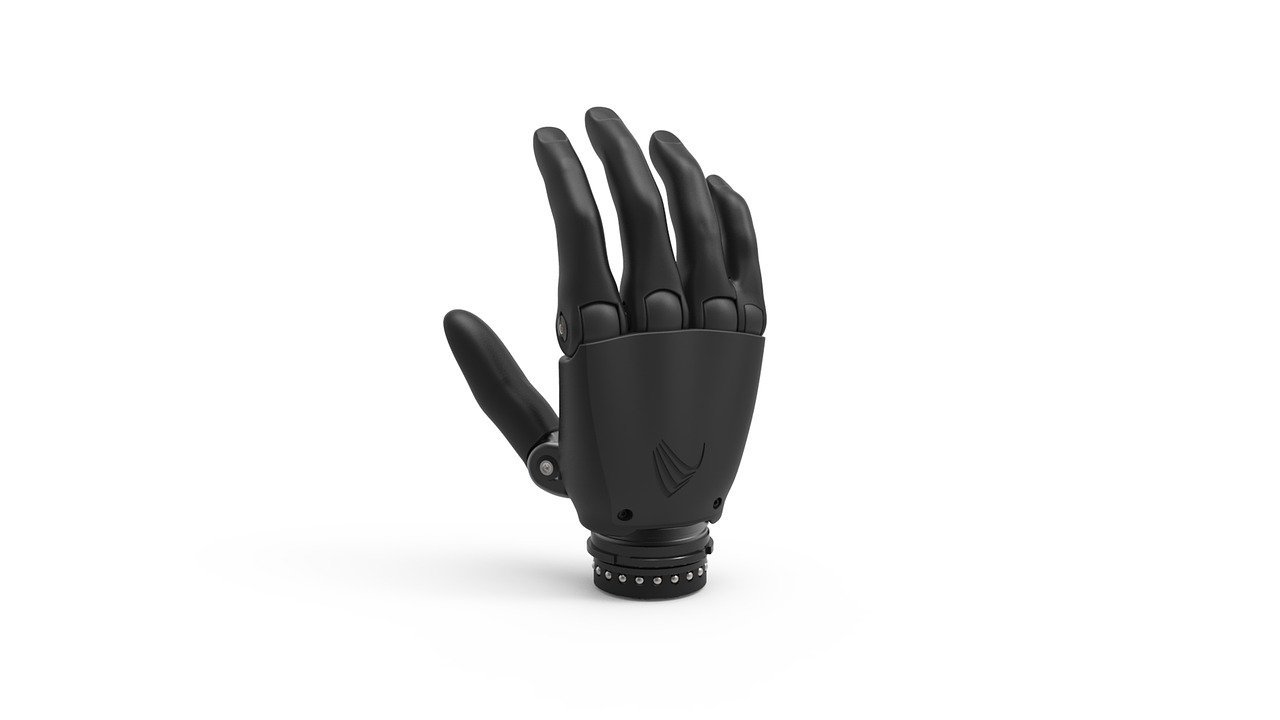
The field of artificial intelligence is currently experiencing a surge in multimodal capabilities, where AI systems can now process and understand information from various sources, including text, images, audio, and video. This convergence of modalities is unlocking new possibilities for AI applications, enabling more nuanced and comprehensive interactions. Recent advances in multimodal AI news highlight how these systems are moving beyond single-sense processing to achieve a more human-like understanding of the world, promising to revolutionize industries ranging from healthcare and education to entertainment and robotics.
Contents
Understanding Multimodal AI
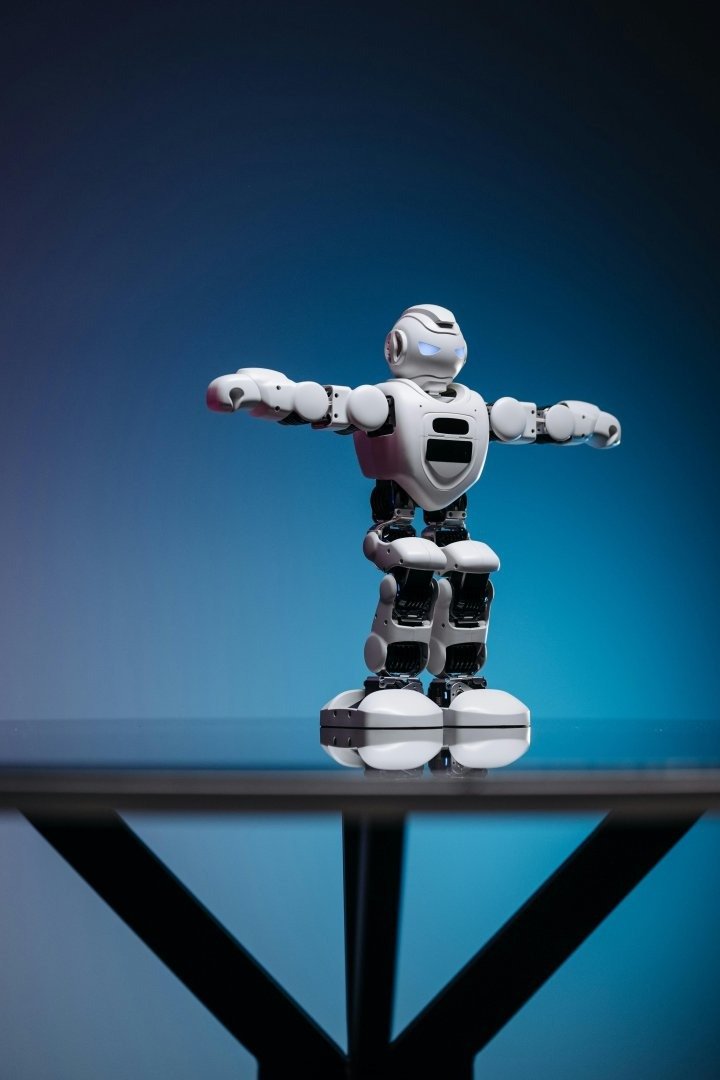
Multimodal AI refers to artificial intelligence systems that can process and understand multiple types of data simultaneously. Unlike traditional AI models that typically focus on a single data type, such as text or images, multimodal AI integrates information from various sources to create a more comprehensive understanding of the input. This allows for more accurate and context-aware responses, leading to improved performance in complex tasks.
Key Components of Multimodal AI
- Data Fusion: The process of combining data from different modalities into a unified representation.
- Representation Learning: Developing methods to learn meaningful representations of data across different modalities.
- Cross-Modal Interaction: Enabling interaction and information sharing between different modalities.
- Alignment: Mapping corresponding elements between different modalities to establish relationships.
Recent Advances in Multimodal AI News
The development of multimodal AI has seen significant advancements in recent years. These breakthroughs are driven by the increasing availability of diverse datasets and the development of more sophisticated machine learning algorithms. Several key areas have experienced notable progress.
Text and Image Integration
One of the most common applications of multimodal AI involves the integration of text and images. This allows AI systems to understand the content of an image based on accompanying text descriptions or generate captions for images automatically. For example, models can now analyze a photograph and generate a detailed description of the objects, people, and activities depicted within it.
Audio and Visual Processing
Combining audio and visual data enables AI systems to understand events and environments more comprehensively. This is particularly useful in applications such as video analysis, where AI can identify speakers, recognize emotions, and understand the context of a scene based on both visual and auditory cues.
Multimodal Language Models
Advancements in multimodal language models are enabling AI systems to understand and generate text that is grounded in visual or auditory information. These models can answer questions about images, generate stories based on videos, and even participate in conversations that are informed by real-world sensory data.
Applications Across Industries
The capabilities of multimodal AI are being leveraged across a wide range of industries, offering new solutions and improving existing processes.
Healthcare
In healthcare, multimodal AI can assist in diagnosis by integrating data from medical images, patient history, and clinical notes. This can lead to more accurate and timely diagnoses, as well as personalized treatment plans. For example, AI systems can analyze MRI scans in conjunction with patient symptoms to detect diseases earlier and more accurately.
Education
Multimodal AI can enhance the learning experience by providing personalized feedback and adaptive learning environments. AI tutors can analyze student responses, facial expressions, and engagement levels to tailor lessons to individual needs. Additionally, multimodal AI can create immersive learning experiences that combine virtual reality with interactive simulations.
Entertainment
In the entertainment industry, multimodal AI is being used to create more engaging and interactive content. AI systems can generate personalized music playlists based on user preferences, create realistic avatars for video games, and even produce entire films using AI-generated scripts, visuals, and music.
Robotics
Multimodal AI is essential for enabling robots to interact with the world in a more natural and intuitive way. By combining visual, auditory, and tactile information, robots can understand their environment, navigate complex spaces, and perform tasks that require fine motor skills. This is particularly important in applications such as manufacturing, logistics, and healthcare.
Challenges and Future Directions
Despite the significant progress in multimodal AI, several challenges remain. One of the main challenges is the need for large and diverse datasets to train these models effectively. Additionally, developing algorithms that can effectively fuse data from different modalities and handle noisy or incomplete data is an ongoing area of research.
Data Requirements
Multimodal AI models typically require vast amounts of data to learn the complex relationships between different modalities. Collecting and annotating these datasets can be time-consuming and expensive. Furthermore, ensuring that the data is representative and unbiased is crucial for building fair and reliable AI systems.
Algorithm Development
Developing algorithms that can effectively fuse data from different modalities is a complex task. Different modalities may have different statistical properties, requiring specialized techniques for normalization and alignment. Additionally, algorithms must be able to handle missing or noisy data, which is common in real-world applications.
Ethical Considerations
As with any AI technology, multimodal AI raises important ethical considerations. Ensuring that these systems are used responsibly and do not perpetuate biases or discriminate against certain groups is essential. Additionally, addressing privacy concerns related to the collection and use of multimodal data is crucial for building public trust.
Future Research
Future research in multimodal AI will focus on developing more robust and efficient algorithms, as well as exploring new applications in areas such as healthcare, education, and robotics. Additionally, research will focus on addressing the ethical and societal implications of these technologies to ensure that they are used for the benefit of all. Research into better AI Tools for developers is also an area of interest.
The Role of AI Prompts and Prompt Generator Tool
While multimodal AI excels at integrating and interpreting diverse data types, the quality and relevance of AI Prompts remain crucial for eliciting desired outputs. Whether it’s generating a descriptive caption for an image or crafting a nuanced response based on audio and text inputs, well-designed prompts guide the AI model toward the intended outcome. A Prompt Generator Tool can assist in creating effective prompts by suggesting relevant keywords, phrases, and contextual information, thereby enhancing the performance of multimodal AI systems. These tools help users leverage the full potential of multimodal AI by ensuring that the input is clear, specific, and aligned with the desired output.
Industry Impact and Analytical Perspectives
The rise of multimodal AI is poised to reshape various industries, leading to increased automation, improved decision-making, and enhanced user experiences. The ability of AI systems to understand and respond to multiple types of data simultaneously opens up new possibilities for human-computer interaction and automation.
- Enhanced Automation: Multimodal AI can automate tasks that require understanding and responding to complex sensory information, such as customer service, quality control, and logistics.
- Improved Decision-Making: By integrating data from various sources, multimodal AI can provide more comprehensive insights, leading to better-informed decisions in areas such as healthcare, finance, and marketing.
- Enhanced User Experiences: Multimodal AI can create more natural and intuitive user interfaces that respond to multiple modalities, such as voice, gesture, and gaze.
According to industry analysts, the market for multimodal AI is expected to grow significantly in the coming years, driven by the increasing availability of data, the development of more sophisticated algorithms, and the growing demand for AI-powered solutions across industries. Organizations like OpenAI, Google, and Microsoft are actively investing in multimodal AI research and development, further accelerating its adoption. For example, Google’s advances in areas like image recognition and natural language processing have significantly contributed to the progress of multimodal AI.
Conclusion: The Future of AI is Multimodal
The ongoing advances in multimodal AI news indicate a significant shift in the AI landscape, moving towards systems that can understand and interact with the world in a more human-like way. This convergence of different modalities is unlocking new possibilities for AI applications across various industries, from healthcare and education to entertainment and robotics. As researchers continue to develop more robust and efficient algorithms, and as more diverse datasets become available, multimodal AI is poised to play an increasingly important role in shaping the future of artificial intelligence. The integration of text, images, audio, and video data into cohesive AI systems promises to create more intuitive, responsive, and intelligent technologies that can address complex challenges and improve the quality of life for people around the world. Readers should watch for continued advancements in data fusion techniques, cross-modal learning, and the ethical frameworks guiding the development and deployment of these powerful AI systems.
TechCrunch
OpenAI Blog