

The relentless demand for more powerful and efficient computing has spurred significant advancements in chip design, and the application of artificial intelligence is now accelerating this process. Recent breakthroughs demonstrate how AI algorithms are being used to automate and optimize various stages of chip creation, resulting in faster design cycles, improved performance, and reduced costs. This evolution represents a pivotal shift in the semiconductor industry, as traditional methods struggle to keep pace with the complexities of modern chip architectures, making AI an increasingly indispensable tool for future innovation and maintaining a competitive edge. This trend is reshaping not only the hardware landscape but also the very foundation upon which AI itself is built.
Contents
The Growing Complexity of Chip Design
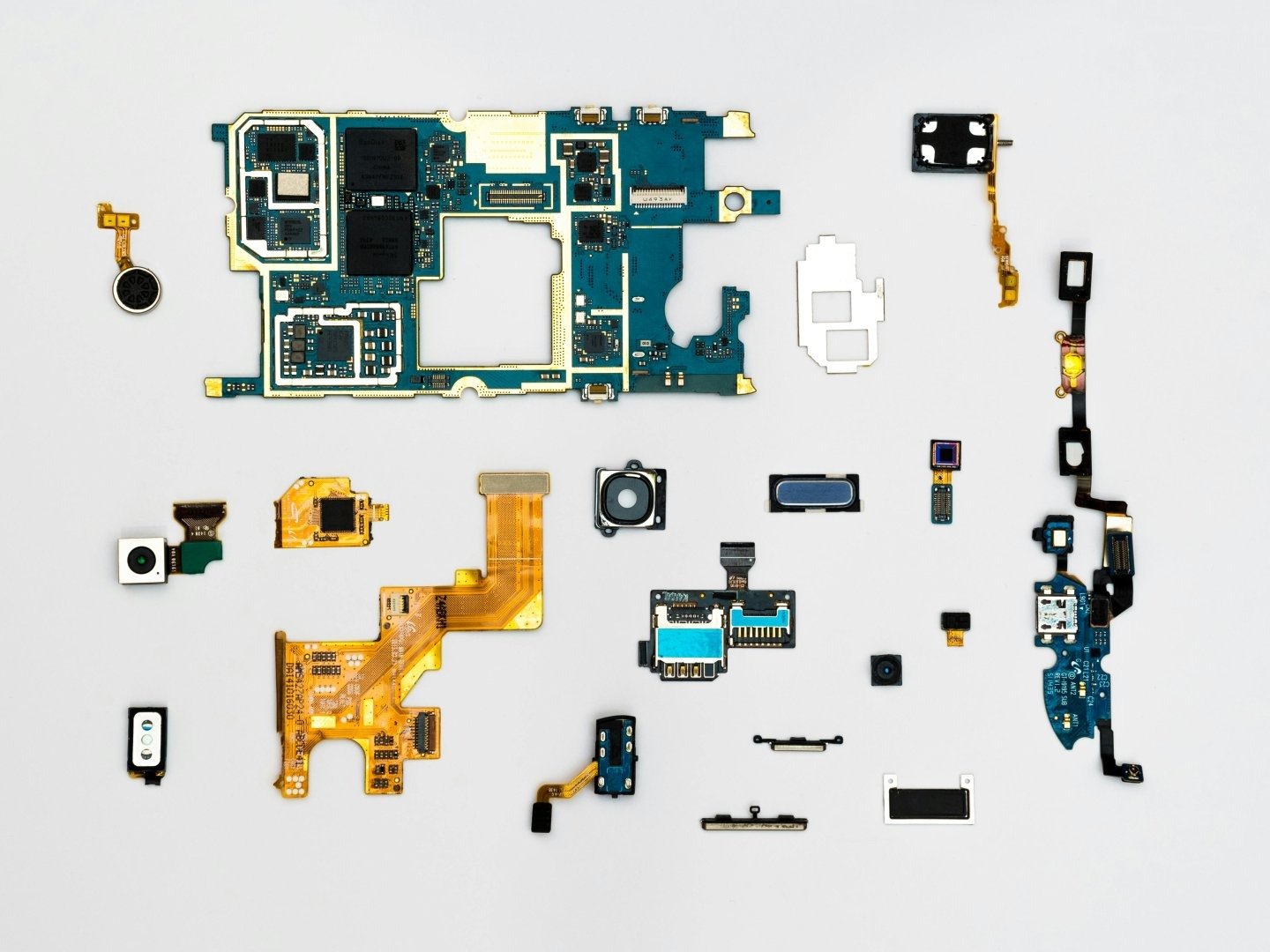
Modern chip design is an incredibly intricate process, involving billions of transistors and complex interconnections. Engineers must carefully optimize various parameters, such as power consumption, performance, and area, while also ensuring manufacturability and reliability. This optimization process typically involves extensive simulations, manual adjustments, and iterative refinements, making it a time-consuming and resource-intensive endeavor. As chips become more complex, the limitations of traditional design methodologies become increasingly apparent, driving the need for more automated and intelligent solutions.
The challenges facing chip designers are multifaceted:
- Increasing Design Complexity: The sheer number of transistors and interconnections in modern chips is growing exponentially, making manual design and optimization virtually impossible.
- Shrinking Feature Sizes: As manufacturing processes advance to smaller feature sizes (e.g., 3nm, 2nm), the design rules become more complex, and the impact of process variations increases.
- Time-to-Market Pressures: The demand for new and improved chips is constantly increasing, putting pressure on design teams to deliver products faster.
- Power Consumption Constraints: Power consumption is a critical concern, especially for mobile devices and data centers, requiring designers to optimize power efficiency at every stage of the design process.
How AI Is Revolutionizing Chip Design
AI is emerging as a powerful tool for addressing the challenges of modern chip design, offering the potential to automate and optimize various aspects of the design process. Machine learning algorithms can analyze vast amounts of data to identify patterns, predict performance, and optimize design parameters. This allows designers to explore a wider range of design options, identify optimal solutions, and reduce the time and resources required for chip development.
Key Applications of AI in Chip Design
AI is being applied to a wide range of chip design tasks, including:
- Floorplanning: AI algorithms can optimize the placement of different functional blocks on the chip to minimize wire length, reduce congestion, and improve performance.
- Placement and Routing: AI can automate the placement of individual transistors and the routing of interconnections between them, optimizing for performance, power, and area.
- Logic Synthesis: AI can be used to generate optimal logic circuits from high-level descriptions, reducing the complexity of manual design.
- Verification and Validation: AI can help to identify potential design flaws and verify the correctness of the chip’s functionality, reducing the risk of errors and improving reliability.
- Power Optimization: AI algorithms can analyze power consumption patterns and identify opportunities for optimization, reducing overall power consumption and improving energy efficiency.
Companies like NVIDIA are actively exploring the use of AI in chip design. NVIDIA’s research focuses on reinforcement learning techniques to automate tasks such as floorplanning and placement, achieving significant improvements in performance and efficiency compared to traditional methods. These efforts demonstrate the growing potential of AI to transform the chip design process and enable the creation of more powerful and efficient chips.
The Impact of Faster Chip Designs on the AI Ecosystem
The ability to create *AI News Today | AI Innovation News: Faster Chip Designs* has a profound impact on the broader AI ecosystem. More powerful and efficient chips enable the development of more sophisticated AI algorithms, accelerate training times, and improve the performance of AI applications. This creates a virtuous cycle, where advancements in chip design drive progress in AI, which in turn drives the need for even more advanced chips. The availability of optimized hardware is crucial for realizing the full potential of AI across various domains, from computer vision and natural language processing to robotics and autonomous systems.
A faster chip design process has several key benefits:
- Reduced Development Costs: Automating design tasks with AI can significantly reduce the time and resources required for chip development, lowering overall costs.
- Improved Performance: AI-optimized designs can achieve higher performance levels compared to traditional designs, enabling more complex and demanding AI applications.
- Faster Time-to-Market: AI can accelerate the design cycle, allowing companies to bring new chips to market faster and gain a competitive advantage.
- Increased Innovation: By automating tedious and repetitive tasks, AI frees up engineers to focus on more creative and innovative aspects of chip design.
The development of specialized AI chips, such as GPUs and TPUs, is also being accelerated by AI-driven design methodologies. These chips are specifically designed to accelerate AI workloads, offering significant performance advantages over general-purpose processors. The ability to quickly and efficiently design these specialized chips is crucial for meeting the growing demand for AI computing power. For example, Google’s Tensor Processing Units (TPUs) are custom-designed AI accelerators that significantly speed up machine learning tasks. You can learn more about Google’s AI efforts on their official AI blog. Google AI Blog
Challenges and Future Directions
While AI offers significant potential for revolutionizing chip design, there are also several challenges that need to be addressed. One key challenge is the availability of high-quality training data. Machine learning algorithms require vast amounts of data to learn effectively, and the quality of the data directly impacts the performance of the AI models. Another challenge is the complexity of integrating AI tools into existing design workflows. Chip design is a highly specialized field, and integrating AI tools requires careful consideration of the existing infrastructure and processes.
Overcoming the Hurdles
To fully realize the potential of AI in chip design, the industry needs to focus on:
- Developing standardized data formats and APIs: This will facilitate the sharing and reuse of training data and AI models.
- Creating user-friendly AI tools and interfaces: This will make it easier for chip designers to adopt and use AI technologies.
- Investing in research and development: Continued research is needed to develop more advanced AI algorithms and techniques for chip design.
- Addressing ethical considerations: As AI becomes more prevalent in chip design, it is important to consider the ethical implications of using AI to automate design decisions.
The future of AI in chip design is promising. As AI algorithms become more sophisticated and computing power continues to increase, we can expect to see even more widespread adoption of AI in the chip design process. This will lead to the creation of more powerful, efficient, and specialized chips that will drive innovation across a wide range of industries. Furthermore, access to tools, like a useful Prompt Generator Tool, may assist the engineers of the future with their work. The integration of AI with electronic design automation (EDA) tools is also expected to become more seamless, enabling designers to leverage AI capabilities within their existing workflows. Synopsys, a major player in EDA, is actively integrating AI into its design tools. You can read about Synopsys’ broader AI strategy and offerings on their website. Synopsys
The Future of AI-Assisted Chip Design
The evolution of *AI News Today | AI Innovation News: Faster Chip Designs* signifies a major turning point for the semiconductor industry and the broader landscape of artificial intelligence. The ability to leverage AI to accelerate and optimize chip creation is no longer a futuristic concept but a tangible reality that is already delivering significant benefits. As AI algorithms continue to advance and become more integrated into design workflows, we can expect to see even more dramatic improvements in chip performance, power efficiency, and time-to-market. This progress will be essential for enabling the next generation of AI applications and maintaining a competitive edge in the rapidly evolving technology landscape.